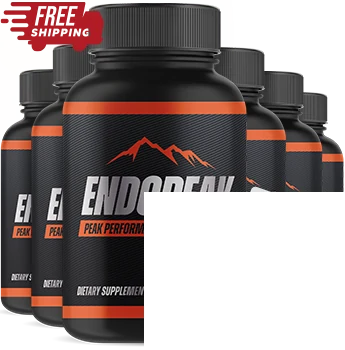
How To Spot A Mismatched Or Templated Supplement Review
While researching EndoPeak, we found a detailed, professional-looking review that described an entirely different product — a liquid sleep supplement with melatonin and GABA.
This is a genuinely useful pattern to recognise, since it affects how much weight you should give any single review source.
What we found
A third-party review site presented a polished, detailed “EndoPeak review” complete with an editor rating, FAQ section and customer testimonials. The content, however, consistently described a liquid sleep aid containing melatonin, GABA and L-Theanine, taken as droppers before bedtime — nothing resembling EndoPeak's actual capsule-based, testosterone-focused formula.
Why this happens
Some review websites publish large volumes of content using templates, sometimes updating a product name in the title and headline while leaving body content from a previous, unrelated review largely unchanged. The result looks professionally produced but is factually describing the wrong product.
Red flags that suggest a mismatched review
Ingredient names that do not match other sources. If one review's ingredient list looks nothing like several other independent sources for the same product, be suspicious.
A product category mismatch. A testosterone-support capsule described with sleep-related language, or vice versa, is a clear sign something is wrong.
Generic, templated structure repeated across many unrelated products. If a site's “you may also like” section links to reviews for completely unrelated product categories using identical formatting, the whole site may be running on a template rather than genuine product research.
How this affected our research
We disregarded the mismatched source entirely and built our EndoPeak research from multiple other independent sources that consistently described the same eight-ingredient, testosterone-focused formula. See our full 90-day assessment for the result.